





Key points
- Mia Khalifa’s adult-film career lasted only a few months, but its impact followed her for years.
- She earned relatively little from her videos despite massive online popularity.
- Growing up between cultures, she struggled with identity and self-esteem.
- Platforms like OnlyFans have allowed her to reclaim control over her content and income.
- She now advocates for autonomy, informed choices, and greater protection for young women.
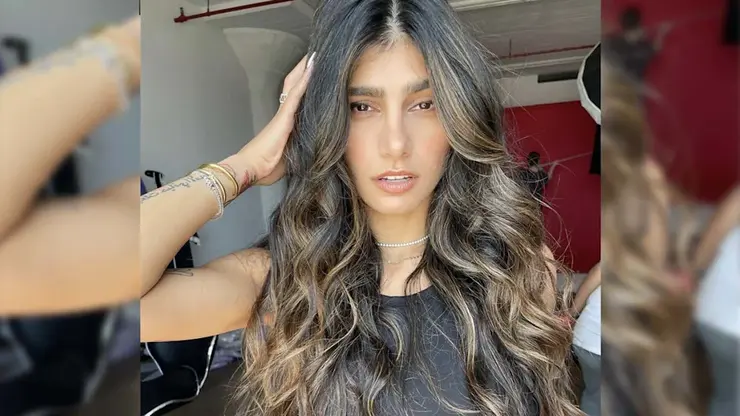
Mia Khalifa, once one of the most searched names in the adult-film industry, has continued to reshape her public identity and reclaim control over her narrative. Although her time in adult entertainment lasted only a few months, the impact—both publicly and personally—was immense. Entering the industry at just 21, Khalifa later reflected that she was young, vulnerable, and easily influenced, struggling with self-esteem and a desire for external validation.
Her rise to global notoriety happened almost overnight, yet the financial reality behind her fame told a different story. Despite her scenes generating massive online traffic, Khalifa has stated that she earned only a modest amount from her work, with no residuals or long-term financial benefit. Instead, she faced long-lasting consequences: loss of privacy, online harassment, and unwanted association with a career she left behind more than a decade ago.
Khalifa, who was born in Lebanon and moved to the United States as a child, has often spoken about the cultural pressures and identity struggles she experienced growing up. Those internal battles, she said, made her susceptible to influences that did not serve her best interests. Over time, however, she has worked to understand and heal from those experiences, channeling that insight into a journey of rebuilding confidence and autonomy.
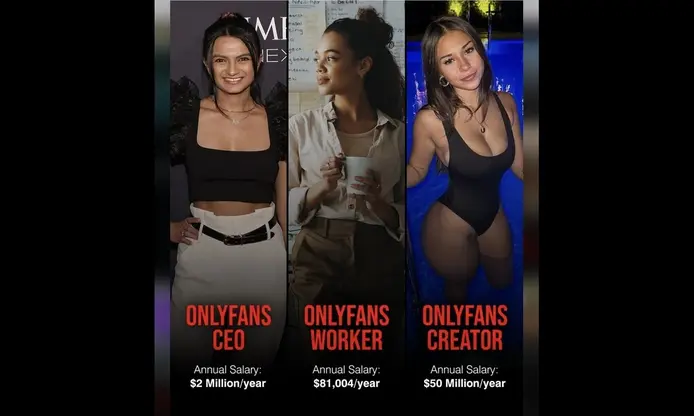
Her shift onto platforms like OnlyFans has given her the opportunity to fully control her content, image, and earnings—something she never had in the adult-film world. Rather than being an object of exploitation, she now uses her presence to empower herself and connect directly with her audience on her own terms. This move has not only reshaped her career but also her sense of ownership over her identity.
Khalifa has also become vocal about issues such as exploitation, mental health, and the pressures placed on young women online. She uses her large social-media following to advocate for informed decision-making and to warn others about the long-term consequences of stepping into industries that lack proper protections.
Today, Mia Khalifa continues to evolve—building a career rooted in independence, authenticity, and the freedom to define herself beyond her past. Her journey has become a story of resilience, self-reclamation, and the pursuit of empowerment after adversity.
Her rise to global notoriety happened almost overnight, yet the financial reality behind her fame told a different story. Despite her scenes generating massive online traffic, Khalifa has stated that she earned only a modest amount from her work, with no residuals or long-term financial benefit. Instead, she faced long-lasting consequences: loss of privacy, online harassment, and unwanted association with a career she left behind more than a decade ago.
Khalifa, who was born in Lebanon and moved to the United States as a child, has often spoken about the cultural pressures and identity struggles she experienced growing up. Those internal battles, she said, made her susceptible to influences that did not serve her best interests. Over time, however, she has worked to understand and heal from those experiences, channeling that insight into a journey of rebuilding confidence and autonomy.
Her shift onto platforms like OnlyFans has given her the opportunity to fully control her content, image, and earnings—something she never had in the adult-film world. Rather than being an object of exploitation, she now uses her presence to empower herself and connect directly with her audience on her own terms. This move has not only reshaped her career but also her sense of ownership over her identity.
Khalifa has also become vocal about issues such as exploitation, mental health, and the pressures placed on young women online. She uses her large social-media following to advocate for informed decision-making and to warn others about the long-term consequences of stepping into industries that lack proper protections.
Today, Mia Khalifa continues to evolve—building a career rooted in independence, authenticity, and the freedom to define herself beyond her past. Her journey has become a story of resilience, self-reclamation, and the pursuit of empowerment after adversity.